Some furniture pieces have defined the last century and
still have an influence today.
What makes an icon? Is it popularity, an ability to push the boundaries, or because they simply stand out from the crowd?
Perhaps it’s a combination of all the above. The ability to separate the wheat from chaff certainly gets easier with hindsight, which is why we can be confident that these pieces of furniture shape how we design our homes, even now in the 21st-century.
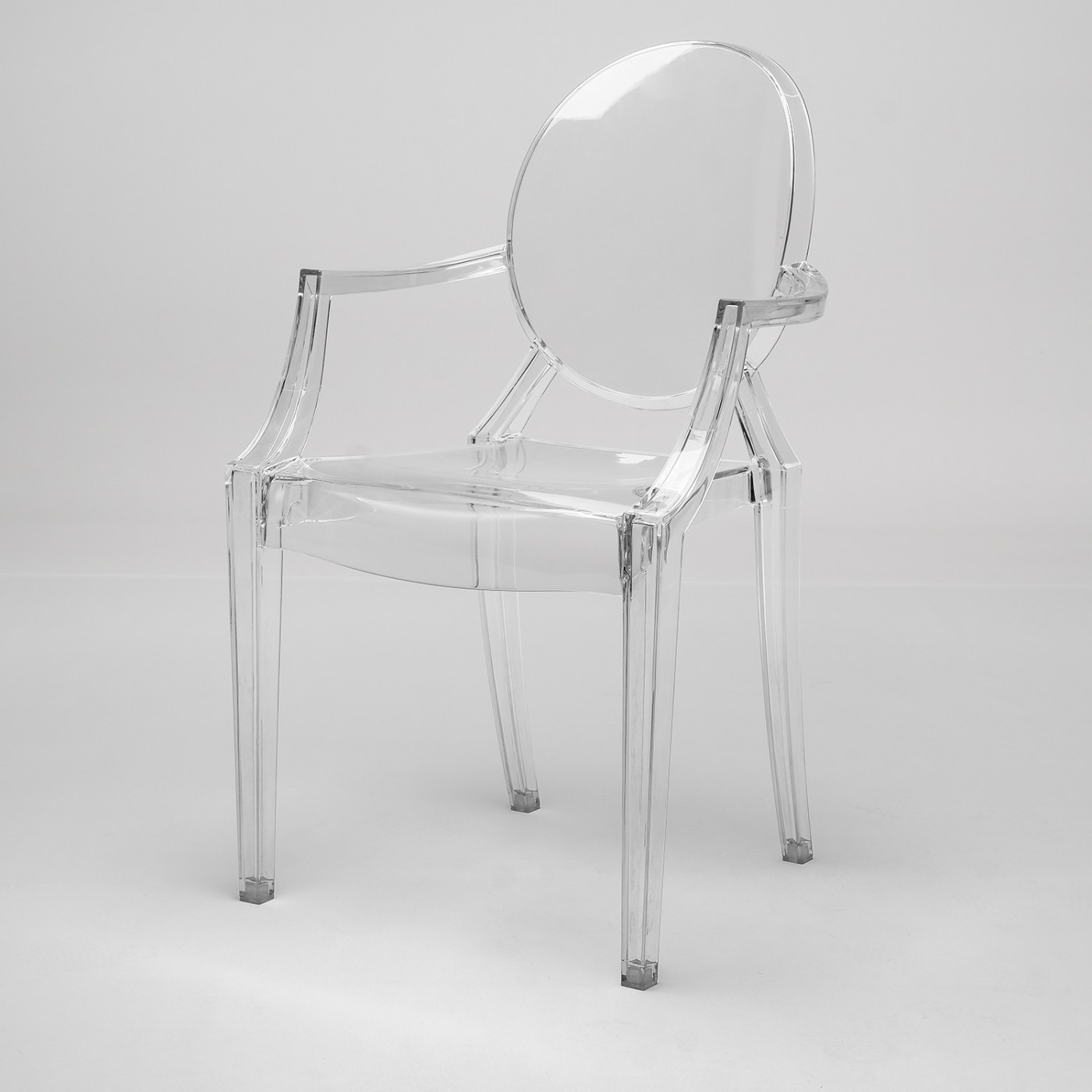
Philippe Starck, Louis Ghost Chair, 2002
The Louis Ghost Chair, created by French designer Philippe Starck in 2002, is one of his most iconic creations. It is a modern take on the classic Louis XVI armchair, popular during the 18th-century. However, unlike its traditional counterpart, the Louis Ghost Chair is made entirely of transparent polycarbonate, giving it a contemporary and whimsical appearance.
Thanks to the chair’s transparent – but sturdy – construction, it can blend seamlessly into any environment while adding a modern flair. It has been featured in numerous design exhibitions and has become a staple in contemporary interiors worldwide.
Piero Lissoni, Extrasoft Sofa, 2008
If this settee looks familiar, it is because it set the standard for the extremely comfortable, pillowy, space-consuming couches we all covet in our homes today.
Acclaimed Italian architect, designer, and art director known for his minimalist and elegant designs, Piero Lissoni understands that while style is important, so is practicality.
The design features oversized seat and back cushions, as well as armrests, all of which are generously padded to provide maximum comfort.
The modular nature of the sofa allows for customisation and flexibility, with modules that can be combined and rearranged to create different configurations for different spaces and preferences.
Dieter Rams, 606 Universal Shelving System, 1960
One of the key principles of legendary German industrial designer Dieter Rams’ design philosophy is “good design is as little design as possible,” and the 606 Universal Shelving System embodies this ethos with its straightforward and efficient form.
It prioritises functionality and durability, with each component carefully engineered for optimal performance and longevity. The system consists of a series of interchangeable shelves, uprights, and brackets that can be easily assembled and customised to create various configurations that suit different storage needs and spatial requirements.
It has become an icon of modernist furniture design, embraced by design enthusiasts, architects and interior designers around the world for its ability to efficiently utilise any space while still looking cool and chic.
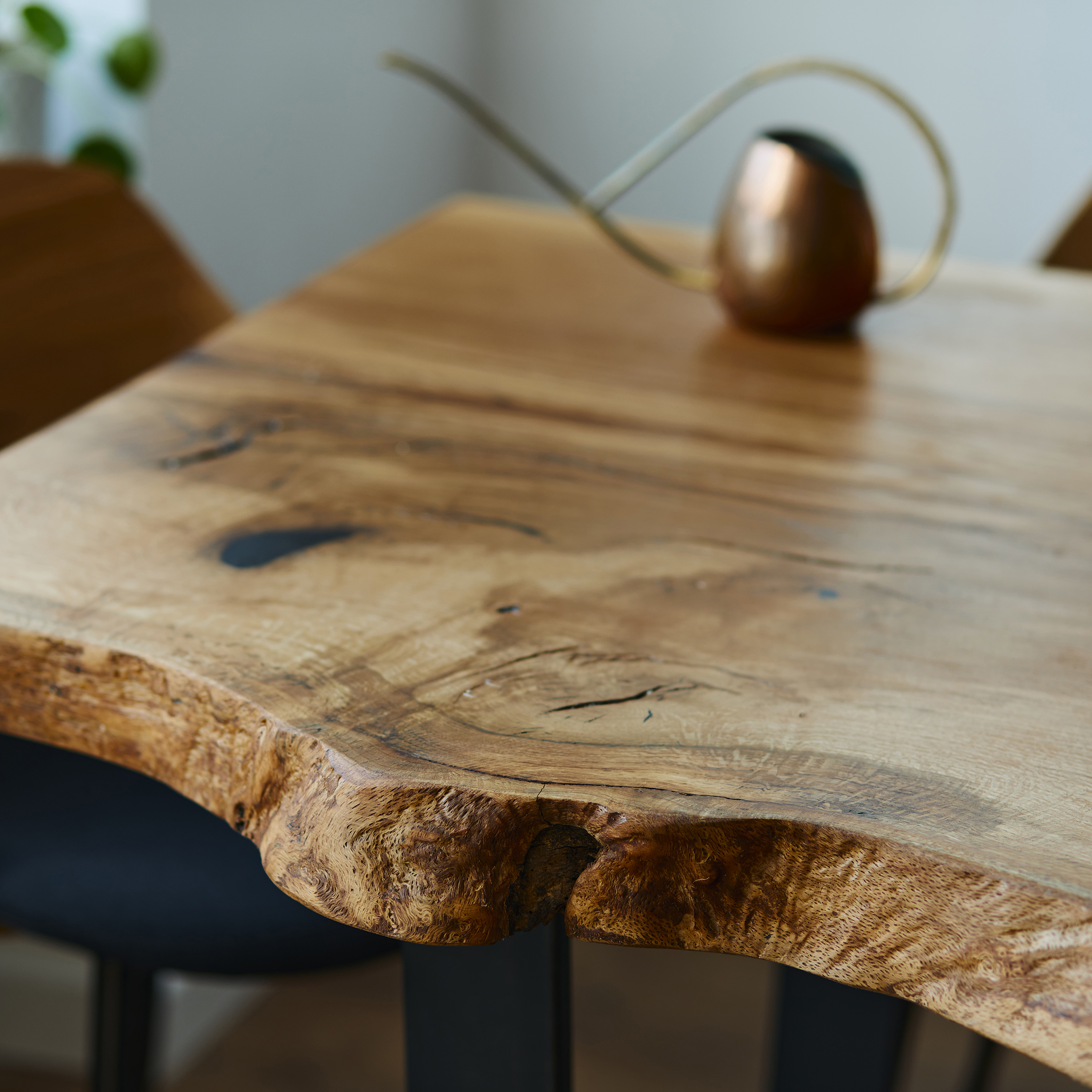
George Nakashima, Slab I Coffee Table, circa 1950
George Nakashima was a prominent Japanese-American furniture designer and woodworker known for his exquisite craftsmanship and integration of traditional Japanese woodworking techniques with modern design principles. Nakashima’s work has had a profound impact on the world of furniture design and the creator is credited with producing timeless works of art that bridge the gap between East and West, tradition and modernity.
No further proof of his influence is needed beyond his most iconic design: The Slab I Coffee Table, from the early Fifties. It exemplifies his signature style, which often featured large, solid wood slabs with natural edges, showcasing the raw beauty of the wood.

Bill Stumpf, Ergon Chair, 1976
It may not be the sexiest chair, but its ubiquitous and highly practical design is mimicked in almost every office space worldwide, and therefore, it deserves its place as an icon. The Ergon Chair, introduced in 1976, was a pioneering ergonomic office chair envisioned by Bill Stumpf, an American industrial designer. It was one of the first office chairs to prioritise user comfort and well-being through ergonomic design principles, featuring adjustable armrests, lumbar support and seat height, allowing users to customise the chair to their individual needs and preferences.
In short, Bill made life better for every office worker the world over.